


How Veronica Solomon Interior Design Manages Renovations New Builds and Full Furnishings
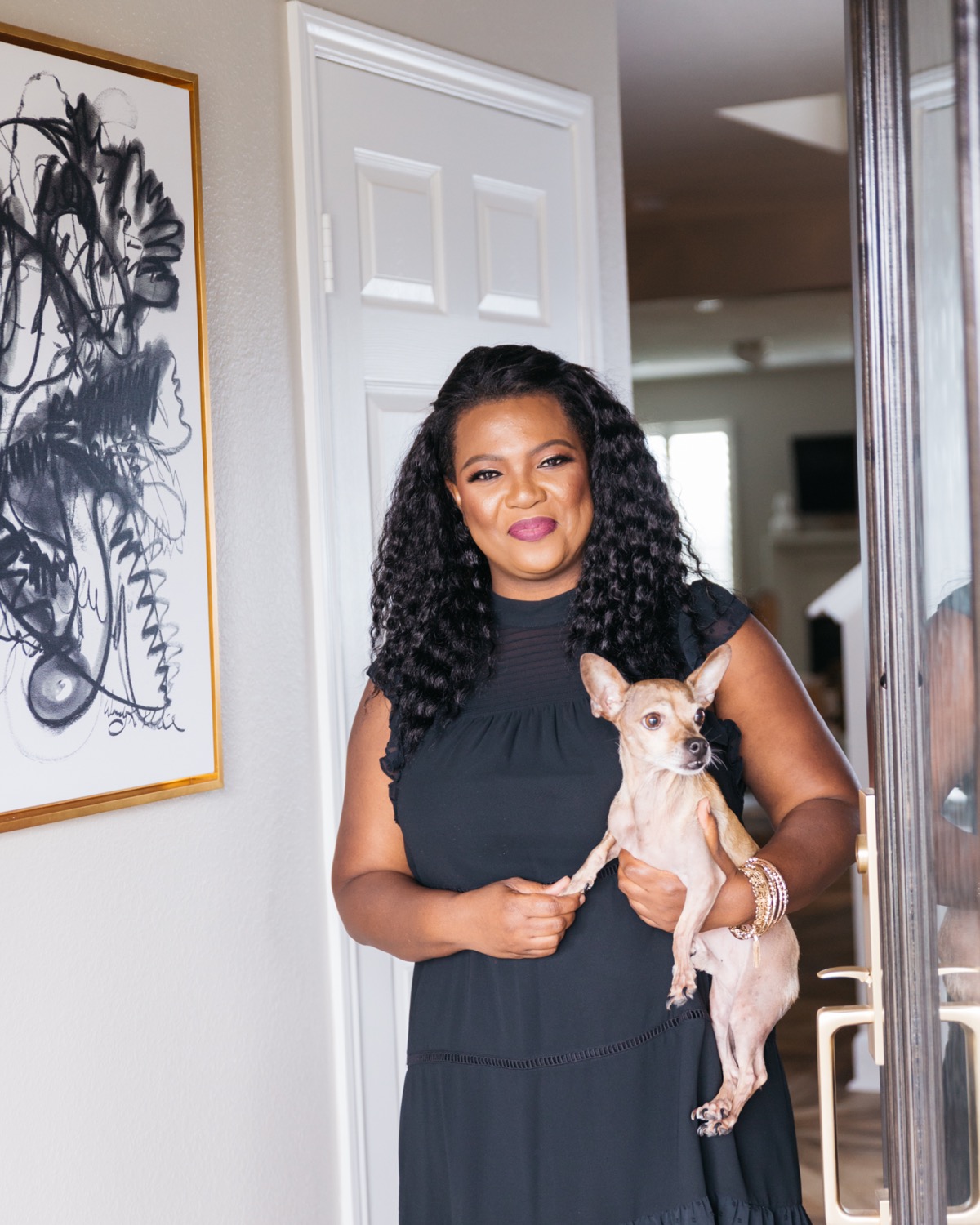
A beautiful home doesn’t come together because someone picked a great sofa or chose the right tile. Those things matter, of course. But the real difference shows up in the planning, the follow-through, and the dozens of decisions that happen before anything gets installed.
That’s where Veronica Solomon Interior Design stands out. Whether the project is a renovation in West Houston, a new build near Katy, or a full furnishings project in Northern Arizona, the work is managed with a clear process from the first conversation to the final styling day.
For homeowners juggling builders, timelines, budgets, and big decisions, that kind of guidance can make the whole experience feel less overwhelming and a lot more enjoyable.

Project management starts before the first finish is selected
Every design project begins with clarity.
Veronica Solomon Interior Design is known for interiors that feel personal, detailed, and highly curated. Behind that finished look is a project management process that starts with discovery. The team learns how the home needs to function, what the client loves, what they want to avoid, and how the project fits into the larger realities of construction, lead times, and budget.
For renovations, that early phase often includes reviewing what can stay, what needs to change, and where design decisions may affect trades. In a kitchen or bathroom remodel, for example, cabinet layout, lighting, plumbing, tile, and appliance selections all need to work together. One late decision can slow down several people.
For new builds, the design team may get involved while plans are still developing. That matters because it gives the client a chance to think through scale, furniture placement, architectural details, lighting, finishes, and everyday flow before the builder is too far along.
For full furnishings, the process is still just as structured. Rooms are measured, concepts are developed, pieces are sourced, orders are tracked, and installation is planned so the final result feels complete rather than pieced together.
That’s the heart of How Veronica Solomon Interior Design handles project management for renovations, new builds and full furnishings in Northern AZ and West Houston TX. The design is creative, but the management is practical.
The strategy changes by region because the homes are different
Northern Arizona and Houston don’t ask the same things from a home.
In areas like Show Low and Pinetop-Lakeside, many homes lean into mountain living. There may be seasonal use, rustic architecture, wood tones, fireplaces, large windows, and a stronger connection to the outdoors. Furnishings need to feel warm and inviting, but they also need to hold up to visiting family, pets, boots, snow, and relaxed weekends.
In Houston and Katy, the needs are often different. Homes may be larger, more formal in layout, and built around a busy family rhythm. Climate plays a role too. Materials need to make sense for heat, humidity, entertaining, and daily use. Renovations may also involve older homes where hidden conditions can appear once work begins.
Veronica Solomon Interior Design manages those differences by tailoring the process, not forcing every project into the same box. A Northern Arizona furnishings plan may focus on texture, durable upholstery, layered lighting, and pieces that balance comfort with character. A Houston renovation may require tighter coordination with contractors, showrooms, custom workrooms, and local trades.
The common thread is planning. The details change by region, but the need for a clear design roadmap doesn’t.

The process keeps everyone moving in the same direction
A strong project management process gives clients fewer surprises and better decisions. While each project is different, the work usually follows a natural path.
Discovery and scope The team defines what rooms are included, what services are needed, and what success should look like.
Concept and design development Layouts, palettes, materials, furnishings, and key details come together as a cohesive plan.
Selections and documentation The team prepares the information builders, vendors, and installers need, such as finish schedules, furniture specs, and placement plans.
Ordering and tracking Furnishings, fixtures, and custom items are monitored so issues can be handled early.
Site visits
It is important to check in regularly as materials are being installed and finishes applied, so everything goes according to plan
Installation and styling The final layer brings the home together, from furniture placement to art, accessories, and finishing touches.
This structure helps clients avoid decision fatigue. Instead of making hundreds of separate choices, they see how each choice fits into the bigger story of the home.
Good communication solves problems before they grow
Renovations and builds come with moving parts. A tile may be delayed. A cabinet dimension may need to be adjusted. A wall condition may not match the drawings. A client may fall in love with a new idea halfway through the process.
The difference is not whether problems happen. They do. The difference is how quickly they’re understood and solved.
Veronica Solomon Interior Design puts communication at the center of the work. That means being clear about the design intent, keeping clients informed, and coordinating with contractors, builders, vendors, and installers. It also means being honest when a decision affects cost or timing.
For clients, this kind of collaboration builds trust. They’re not left guessing what comes next. They know when their input is needed, when the team is handling details behind the scenes, and when a decision has to be made to keep the project moving.
That’s especially helpful for homeowners who split time between a primary home and the project home. Remote decisions can still be handled thoughtfully when there’s a clear process, strong documentation, and regular communication.
Service charges reflect the work behind the finished room
Design fees can feel confusing if they’re not explained well. A sofa has a price tag. A light fixture has a price tag. Project management doesn’t always look as obvious, but it’s where a lot of the value lives.
Service charges generally account for the professional time, planning, sourcing, coordination, documentation, communication, and installation oversight required to complete the project well. Depending on the scope, fees may be structured around design phases, project size, hourly work, purchasing services, or a mix of these.
The key is transparency. Clients should understand what is included, what is billed separately, how purchasing is handled, and how changes in scope affect the overall investment.
For a renovation or new build, the service charge may reflect meetings with builders, finish selections, plan review, problem-solving, and site-related coordination. For full furnishings, it may include sourcing, custom quotes, order management, storage coordination, delivery planning, and final styling.
A professionally managed project saves time, reduces costly mistakes, and creates a more polished result. That value is often felt most when something unexpected happens and there’s already a capable team in place to respond.
Successful projects share one common trait
The most successful projects in the firm’s body of work share a clear pattern. They feel collected, layered, and personal, not like a showroom copied into a house.
Client feedback often centers on the same themes: clients feel heard, they appreciate the attention to detail, and they value having someone guide the process with confidence. Rather than guessing their way through selections, they get a finished home that reflects how they live and what they love.
One West Houston furnishing project might begin with a family needing comfortable rooms that still feel elevated enough for guests. A Northern Arizona retreat might call for cozy gathering spaces, durable finishes, and a sense of escape. A new build near Katy might need early design input so furniture, lighting, and finishes all support the architecture from the start.
Different homes, different needs, same goal: a home that feels intentional from front door to final pillow.
The takeaway for a smoother home project
Great design needs more than good taste. It needs timing, communication, documentation, and the ability to keep many details connected.
Veronica Solomon Interior Design brings that structure to renovations, new builds, and full furnishings across Northern Arizona and West Houston. The process helps clients move from big ideas to finished rooms with fewer surprises and a lot more confidence.
When the right team manages the details, the project feels calmer. And the home doesn’t just look finished, it feels fully considered.
Wishing You Boldness & Great Style!


Comments