


Creating Your Sanctuary: How to Transform Your Home into a Nurturing Refuge

Updated: Jan 26
Do you look forward to going home every day, or do you find yourself making excuses to stay out longer? For many, your home should be your escape, a place where you feel safe, comfortable, and truly yourself. Yet, when clutter piles up, spaces feel cold, or the design doesn’t reflect your personality, it’s easy to want to avoid being there. I’ve been there myself, and I want to share how you can turn your living space into a nurturing refuge that supports your well-being and invites you to relax and recharge.
Plus the world is kinda crazy right now......

Understand What Makes a Home Feel Like a Refuge
Before diving into design changes, it’s important to understand what makes a home feel like a sanctuary. It’s not about having the most expensive furniture or the latest trends. It’s about creating a space that, reflects your personality and tastes, feels comfortable and welcoming, supports your daily routines and needs, and offers a sense of calm and order
When your home meets these needs, it naturally becomes a place you want to return to. If you find yourself escaping your space, it’s a sign that something needs to change.
Clear the Clutter to Create Calm
One of the biggest barriers to feeling at peace at home is clutter. Clutter overwhelms the senses and makes it hard to relax. Start by sorting through belongings and keeping only what you truly use or love, creating designated storage spaces to keep things organized, and using baskets, shelves, and boxes that fit your style to hide away items
When everything has a place, your home feels more spacious and calm. This simple step can transform your mindset about your space.
Bring Warmth and Personality into Your Space
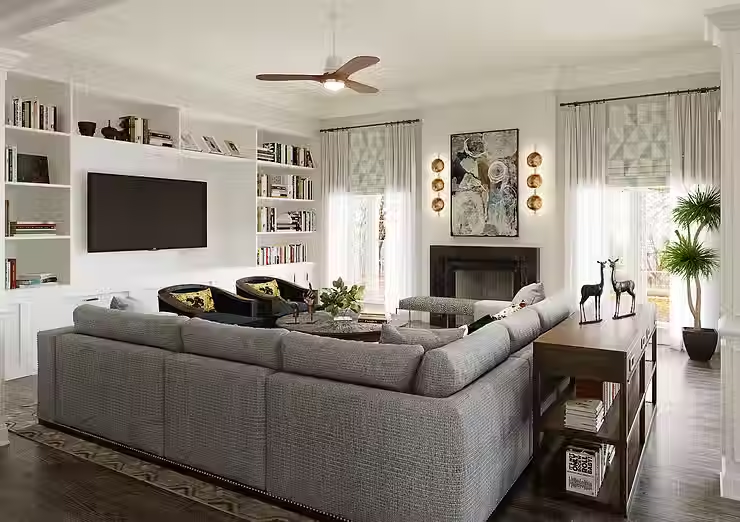
A home that nurtures you should feel warm and inviting. You can achieve this by adding soft textiles like throw blankets, pillows, and rugs in colors you love, using warm lighting such as lamps and candles instead of harsh overhead lights, and displaying personal items like photos, artwork, heirlooms, or souvenirs that tell your story.
These touches make your home feel uniquely yours and invite you to slow down and enjoy the space.
Design Spaces That Support Your Lifestyle
Think about how you use your home daily. Does your living room invite you to relax with a book? Is your kitchen organized for easy meal prep? Does your bedroom promote restful sleep?
Design your spaces to support your lifestyle by creating cozy reading nooks or relaxation corners, organizing workspaces that help you focus without distractions, choosing furniture that fits your body and habits comfortably
When your home works for you, it becomes a true refuge where you can recharge and feel balanced.

Use Color and Nature to Enhance Comfort
Colors and natural elements have a powerful effect on mood. To make your home nurturing:
Choose calming colors like soft blues, greens, or earth tones, or use whatever colors that you like to be surrounded by
Incorporate plants to bring life and fresh air indoors
Use natural materials like wood, stone, or linen to add texture and warmth
These elements connect you to nature and create a soothing atmosphere that supports relaxation.
Make Time to Enjoy Your Sanctuary
Finally, transforming your home into a nurturing refuge is only part of the journey. You also need to make time to enjoy it. Set routines that encourage you to slow down, such as lighting a candle and reading each evening, practicing gentle exercise, prayer and meditation, and hosting small gatherings with friends to fill your space with joy
By prioritizing your home as a place of rest and connection, you reinforce its role as your escape.
We can help get you started on the path to truly loving your home.
Wishing You Boldness & Great Style!
Veronica


Comments