


The Watering Down Of Interior Design: Are Ai And Fast Trends Killing Creativity And Quality?
Updated: Feb 26
I remember when I decided to enter the One Room Challenge and complete my master bedroom a few years back. I allowed my creativity and knowledge of design principles to take center stage as I created this room layer by layer.

It was not just the design on paper, but how each element came together as I implemented it. I worked through challenges, scheduled tradespeople, and meticulously coordinated all the moving parts. All the nuances that go into creating a memorable space that says wow! This was on a small scale, so just imagine a whole house renovation or even just furnishings.
I remember when my carpenter and my photographer walked into the room for the first time. On two separate occasions, they made audible gasps at how dramatic and beautiful the space was in person.
It was more than just design on paper; it was real. The room, to this day, evokes a sense of wonder and drama when you walk in.
Put Some Respect on Design As An Artform
Interior design is an art form that demands a sharp eye, creativity, and skill to transform spaces into places that are both functional and inspiring. However, I’ve noticed a troubling shift in the industry lately. It feels like the essence of interior design is being watered down by a mix of AI-generated ideas, bland trends, and a decline in great craftsmanship. Everyone seems to think they are designers now, and the results often lack soul, depth, and, quite frankly, any real thought. These changes are dramatically affecting the quality and creativity of interior design today, and it must be addressed.

The Rise of AI and Its Impact on Design Creativity
Artificial intelligence tools have become popular for generating interior design ideas. I recently had a long-time client reach out to me to design two Airbnb's. This client, whom I have designed and curated three amazing homes for over the years, was by all accounts happy with the results. After I quoted her what was a drastically reduced design fee (for her loyalty) and meager margins on the products I was sourcing, she responded by declining the proposal. But that's not the part that stings—it's when she said she would have AI design it for her, exclaiming how wonderful AI is!
Now, I still don't know how AI will implement the design, but time will tell, I suppose. I have heard designers complain that their clients are now bringing them AI-generated images, expecting these static, often generic spaces to be the final vision. I suppose AI can offer quick inspiration (I have never tried it myself), but it cannot replace the nuanced understanding of how a space functions or how people interact with it.
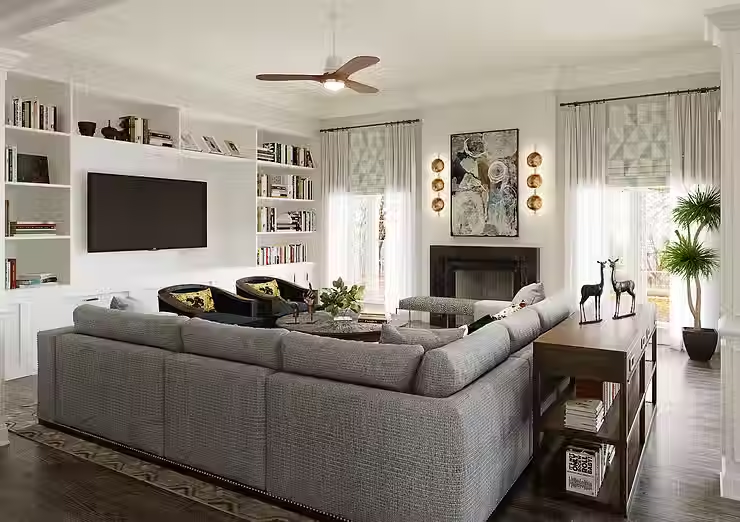
AI-generated designs tend to focus on aesthetics without addressing practical issues like flow, harmony, lighting, acoustics, or ergonomics. For example, a room might look perfect in a digital rendering but feel cold or uncomfortable in real life. AI cannot troubleshoot problems that arise during implementation or adapt to unexpected challenges onsite. And trust me, there are many problems to solve when implementing a design.
This is where human skill, experience, and expertise remain irreplaceable. But weirdly, people think they can prompt their way to good design.
Design Goes Beyond Basic
One trend that has taken hold is the demand for basic, mass-appeal interiors, often pushed by realtors and home builders aiming to sell homes quickly. They throw in a bit of matte black and think they have a masterpiece. Gone are the days of intricate detailing and craftsmanship. These blah spaces are easy to stage and appeal to a broad audience, but they sacrifice personality and warmth. When bland, neutral designs dominate, they set a low bar for creativity and discourage uniqueness and timelessness.
The demand for blah also encourages vendors to produce cheap, mass-market furniture that looks fine in photos but lacks durability and character. I call these throw-away furniture, which are now flooding the market and degrading the overall quality of interiors. Interior design is an art form that thrives on thoughtful choices and quality materials, but these trends push the industry toward shortcuts and superficial solutions—like fast fashion.

Speaking of blah—cough, cough—Pantone just announced their Color of the Year for 2026: "Cloud Dancer."

I'll let you decide...
Skilled Trades People Are Getting Fewer & Fewer
Finding skilled tradespeople who take pride in their work has become increasingly difficult. Many talented craftsmen have retired or moved on, and the new generation often lacks the same dedication to quality. I mean, everyone wants to be a social media sensation, and no one wants to work with their hands very much anymore. This shortage affects everything from custom cabinetry to wallpaper installation and detailed finishes.
The need for fast and basic often causes tradespeople to cut corners or rush jobs, for which the final space suffers. Poorly executed work can ruin even the best design concepts. As designers, we can dream it, but we depend on skilled craftsmen to execute. Collaboration between designers and tradespeople who share a commitment to excellence is what creates great design.

Interior design is more than fluffing pillows or picking paint colors. It requires an understanding of how people live, how spaces influence mood, and how to balance beauty with function. Each project is a unique challenge that calls for creativity, technical knowledge, and emotional intelligence.
When we treat interior design as an art form, we honor the skill and vision behind every successful space. We resist the temptation to settle for easy, uninspired solutions. We demand quality materials and craftsmanship. We recognize that a well-designed space can improve well-being and enrich lives.
What Can You Do As A Consumer?
Value great craftsmanship: Support tradespeople who care about their work and invest in quality materials.
Be critical of trends: Don’t follow trends blindly. Choose elements that add personality and meaning to your space.
Use AI as a tool, not a crutch: Let AI inspire ideas but rely on human judgment to create functional, livable interiors. I even draw the line here personally, but to each his own.
Get the word out: Understand the importance of design beyond aesthetics, including comfort and durability.
Celebrate creativity: Encourage original ideas that reflect the unique character of each space and its inhabitants.
Interior design deserves more than shortcuts and surface-level trends. It requires passion, skill, and respect for the craft. By pushing back against the dumbing down of the industry, we can keep creativity and quality alive in every room we design.

I Told You So?
I am not one to say "I told you so," but I now see designers complaining about losing jobs to clients using AI. Heck, I even shared my story above. But the difference with my experience is that it did not catch me by surprise. I saw it coming a mile away. Read this article I wrote way back when AI first became a thing.
It will continue to be so because even when we write articles like this to explain the value that we bring to a project as designers, people will ultimately follow the mainstream narrative. I can tell you that for me, that client was the last client I expected from. She is a busy professional with the financial means and doesn't have the time to tinker with DIY-type stuff. Yet she fell for the allure of the machine, forgetting the human touch I have poured into her projects over the years. I know this isn't isolated.
If You Can't Beat Them, Join Them?
I hate to say this, but to some extent, we as designers have to answer the demand of the market. But we must do this without compromising good design. This can often look like various levels of design services and working with clients who only need guidance from us and are willing to manage and execute their projects themselves.
It also means finding vendors who have value-engineered products but are still committed to quality.
All in all, we have to remain true to ourselves and uphold the integrity of good design in an ever-changing world.
Reach out for good design anytime!
Wishing You Boldness & Great Style!
Veronica


Comments