


Exploring the Timeless Allure of Textures in Interior Design
Interior design is more than just arranging furniture and fluffing pillows; it's about creating environments that feel inviting and tell a story. One of the most captivating elements of design is the layering of texture. The interplay of different materials and surfaces can profoundly change a space, adding depth, warmth, and character. Texture acts as a quiet but impactful communicator in a space. It connects aesthetics with experience, offering an extra sensory dimension that is both understated and significant.
Let's explore the enduring appeal of textures in interior design, highlighting how they can enhance aesthetics and evoke emotions.
The Importance of Texture in Interior Design
Texture greatly influences how a space feels and looks. It adds dimension, warmth and interest, breaking up the monotony of flat surfaces. By layering various textures, the space becomes a sensory experience that engages everyone who enters the room.
For example, a living room with a combination of the smoothness of leather, the tactile hand of soft wool, and rugged character of wood can create a balanced and harmonious atmosphere.
A consumer study done in 2018 revealed that 80% of individuals feel more relaxed in environments featuring a variety of textures. This diversity not only enhances visual appeal but also invites touch, making the space feel warmer, more welcoming and comfortable to be in.

Types of Textures in Interior Design
There are two categories of texture: Visual and tactile.
Tactile Textures
Tactile textures (also called the "hand" of the item) can be felt, and they include materials like velvet, silk, wood, and stone. These elements can create a sense of comfort and luxury. For example, a plush velvet sofa can invite you to relax after a long day, while a rough stone wall can add an earthy, rustic charm.
Incorporating tactile textures can enhance the coziness of a space. A soft area rug over a hardwood floor adds visual warmth, softness underfoot and encourages interaction. Most homeowners prioritize comfort in their home design choices, which shows the appeal of tactile elements.
Visual Textures
Visual textures are experienced through sight rather than touch. These can come from patterns, colors, and finishes. A wallpaper with a bold geometric design can fill a room with visual interest, while a matte finish may create a more calming environment.
Using visual textures effectively can help define areas within a space with an open floor plan. For example, a textured accent wall can set apart a dining area from a living space, giving each zone personality without any physical separation.

The Role of Color in Texture
Color and texture are closely related in the world of interior design. How a color interacts with texture can significantly impact the feel of a space. For example, light colors on a rough surface create a striking contrast that highlights the texture, while dark colors on smooth surfaces exude elegance.
When selecting colors and textures, think about the mood you want to create. Warm tones paired with soft textures promote comfort and intimacy, while cool colors with sleek textures can foster serenity.
Mixing Textures for Depth and Interest
I love a good mix of texture - what I like to call layering. Layering textures can make a space visually dynamic and interesting. Pairing a soft sofa with a sleek glass coffee table creates contrast, drawing the eye in. Layering textiles, such as throws and cushions, can enhance coziness while adding depth.
It is important to find balance when mixing textures. Be mindful of how many different ones you include. Too many can lead to chaos and overstimulation in the room, while too few can create a flat and bland appearance. For instance, using three or four different textures can create a cohesive and inviting atmosphere.
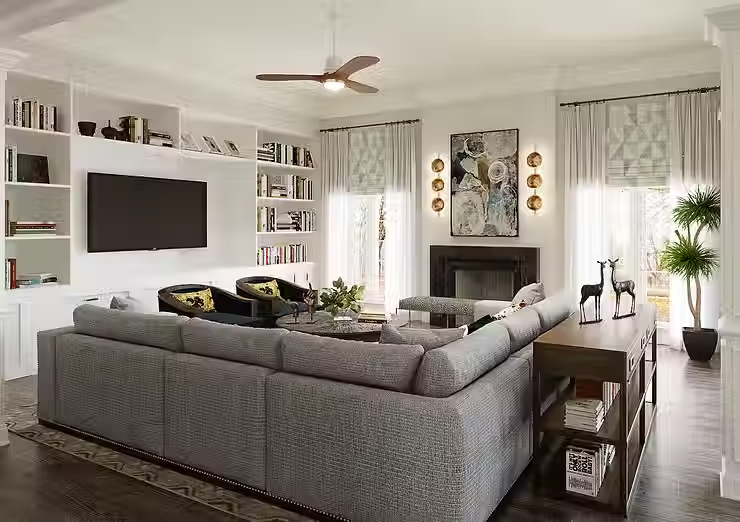
In the photo below, we created a great layer of textures in this living room - the subtle texture of the white linen sofa with lots of pillows with varying patterns, the ottomans with the strong sherpa texture and the exaggerated cheetah print rug, make a grand statement. They all work together to balance calm with boldness in this space.

Practical Tips for Incorporating Texture
Here are some actionable tips to help you get started:
Start Small: Begin with small elements like pillows, throws, or decorative items. This allows you to test combinations without committing to larger pieces.
Layer Different Textures: Don’t hesitate to blend textures. Combine soft fabrics with hard surfaces or pair smooth finishes with rough ones to create warmth and welcome.
Be Mindful of Scale: Consider the size of textures in your space. Large textures can dominate a room, while smaller ones can create subtle interest. Strive for a balance that feels cohesive and harmonious.
Define Spaces with Textures: In open-concept areas, use textures to define different zones. A textured rug can effectively separate a seating area from a dining space.
Wrapping It Up
The charm of textures in interior design is timeless. When various textures are thoughtfully incorporated in a space, they not only captivate the eye but also resonate emotionally. Whether through tactile or visual elements, the right blend can transform a room into a comforting sanctuary that fosters connection.
Texture goes beyond trends, providing a timeless quality to luxury interiors. It engages the senses and evoke emotions that persist long after the initial encounter. Incorporating textures is more than just a decorative element it is what takes the lead in a space.
As you embark on your interior design journey, remember the incredible power of texture. Embrace the opportunity to experiment, layer, and mix textures - don't let the thought intimidate you. Your space will evolve into a unique expression of style and warmth, making it truly yours.
Reach out if you need help incorporating the richness of texture into your home.
Wishing You Boldness & Great Style!
Veronica


Comments